Duvet covers are more than decorative shells for your duvet. They are active partners in temperature management, cleanliness, and overall sleep quality. The fabrics we choose—whether cotton sateen, linen blends, or organic cotton—shape how warmth is retained, how breathable the layer feels, and how easy it is to care for the ensemble after a long night. In the pages ahead, we explore the fabrics most commonly used in modern bedding, how they perform in varying climates, and the care rituals that keep them looking and feeling their best for years.
Materials: What the Fabric Is Made Of
The material of a duvet cover determines its touch, durability, and performance under different conditions. Here are the principal options that show up in contemporary bedding collections:
- Cotton forms the backbone of many duvet covers. It is breathable, widely available, and easy to care for. Within cotton, varieties range from lightweight percale to luxurious sateen finishes. Percale weaves yield a crisp feel and excellent airflow, ideal for warmer climates or sleepers who overheat at night. Sateen, with a silkier hand, offers a smoother drape and a gentle luster, often preferred in cooler environments for its denser hand and warmth retention.
- Organic Cotton is cotton grown without synthetic pesticides or fertilizers. It is particularly appealing to sensitive sleepers and eco-conscious households. Organic cotton duvet covers typically emphasize softness and a lower environmental impact, without sacrificing durability.
- Linen brings natural temperature regulation and a distinct texture. Linen is highly breathable and has a relaxed, lived-in sheen. It softens with each wash and is particularly good for hot sleepers or humid climates due to its moisture-wicking properties.
- Linen-Cotton Blends combine the best of both worlds: the cool, breathable nature of linen with the softness and easy maintenance of cotton. These blends strike a balance between texture, durability, and practicality.
- Other Fibers such as TENCEL Lyocell or recycled synthetics are sometimes used to enhance moisture management, softness, or stretch. These options can be ideal for allergy-prone households or when seeking specific performance characteristics like extra softness or hypoallergenic performance.
Weaves: How the Surface Feels and Performs
The weave of a duvet cover significantly influences its texture, durability, and how it interacts with the duvet inside. The two most common weaves you’ll encounter are:
- Percale: a tight, plain weave known for a crisp hand and excellent breathability. It often feels cooler to the touch and is favored in warmer seasons or for people who sleep hot.
- Sateen: a satin-like weave that yields a smoother, silkier surface with a gentle sheen. It tends to feel warmer and more luxurious, which can be desirable in cooler climates or for those who prefer a softer, drapier touch.
Thread Count: A Guide to Softness and Durability
Thread count is a familiar metric, but it is only part of the story. A higher count can indicate a denser weave and a smoother feel, yet quality depends on fiber length, yarn quality, and the weaving technique. For duvet covers, a range of 300–600 threads per square inch is common. Lighter, breathable fabrics with a 300–400 count are ideal for warm climates or those who prefer a brisk touch. For a softer, more luxurious hand on a cooler night, covers around 500–600 can be very appealing, especially when made from high-quality cotton or linen blends.
Performance in Climate and Sleep Style
The climate you inhabit and your sleep style should guide fabric choices. In hot, humid environments, look for fabrics with high breathability and moisture-wicking properties—cotton percale, linen, or blends with TENCEL. For cooler climates or if you run chilly at night, a sateen weave in cotton or a linen blend can provide a snug, comforting surface. For allergy-conscious households, organic cotton and specialty fibers with low allergen profiles can make a meaningful difference.
Care and Longevity: Keeping Your Duvet Cover Fresh
Longevity depends as much on care as on fabric selection. Here are practical guidelines to extend the life and appearance of duvet covers:
- Follow the manufacturer’s wash instructions. Most cotton and linen covers tolerate warm or hot washes, but many require gentle cycles to minimize wear.
- Avoid high heat during drying; line-drying or using a low heat setting helps preserve fibers and reduce pilling.
- Use mild detergents and avoid bleach, especially on colored fabrics, to prevent color fading and fiber damage.
- Regularly check the duvet cover’s buttons, ties, or zipper for wear and repair promptly to prevent further damage.
- Rotate bedding to distribute wear evenly and prevent premature aging of any single piece.
Pairing Duvet Covers with Comforters: A Cohesive Sleep System
The duvet cover is part of a broader sleep system that includes the duvet or comforter, pillow shams, and even the bed linens’ color and texture. When selecting a duvet cover, consider:
- Compatibility with the duvet’s fill and loft to maintain a smooth, even surface.
- Color and texture coordination to create a cohesive aesthetic that complements your room’s palette and style.
- Care compatibility, including whether the duvet cover and its inner comforter are machine washable and how their washing cycles align with your household routines.
- Allergies and sensitivities—some comforters and covers come with hypoallergenic finishes or certifications that ease concerns for sensitive sleepers.
A Time-Honored Perspective: Key Figures Who Shaped Sleep and Comfort
Across time, several influential thinkers and designers have reshaped how we think about rest, space, and the materials that cradle us through the night. Here are three figures from different eras whose ideas ripple through contemporary bedding and interior design:
- Laurent de Kooning (Early 20th Century) — A decorator and advocate for honest, textural interiors, de Kooning championed natural fibers and human-scale fabrics in domestic spaces. His emphasis on tactile materials foreshadowed today’s preference for breathable, materials-first bedding that balances form and function.
- Ada Lovelace (Mid-19th Century) — Though known for mathematics and computing, Lovelace’s commitment to rigorous systems and careful documentation echoes in today’s curated, data-informed approach to product design, including the classification and testing of fabrics, weaves, and care methods in textile science.
- Le Corbusier (Modernist Architect, 20th Century) — A pioneer of the “less is more” ethos and a proponent of functional, light-filled interiors. His ideas radiate in present-day “Loft” aesthetics—airier layouts, clarity of form, and elevated but practical spaces where the duvet cover, pillow, and comforter system live in harmonious simplicity.
A Practical, Editorial Approach: The ABC Loft Method
Channeling the ABC Loft ethos—beginning with fundamentals and elevating them through curated presentation—the duvet cover guide above is designed for thoughtful readers who value clarity, structure, and enduring value. The aim is to present a concise, authoritative overview of fabrics, weaves, and care, while also offering avenues for deeper exploration and practical, day-to-day application.
A Note on Product Integration: Highlighting a Curated Choice
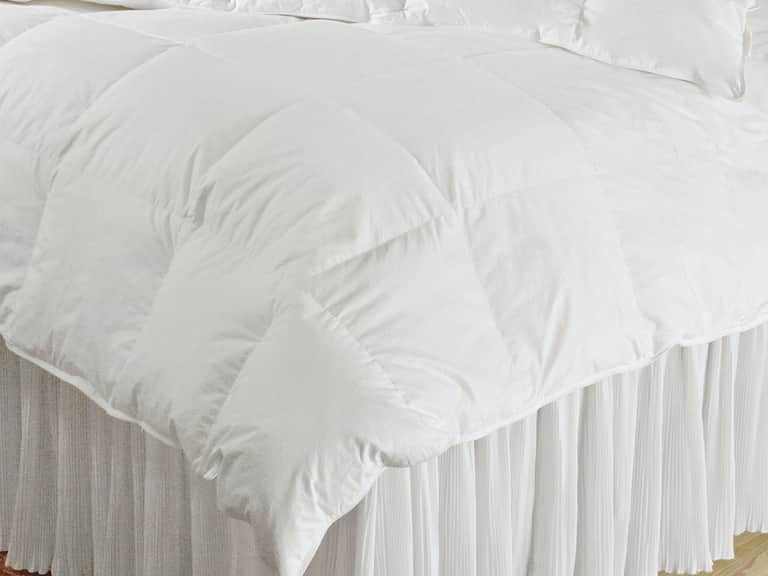
In the curated landscape of bedding, some products demonstrate how thoughtful design translates into everyday comfort. One item from a leading bedding collection embodies the philosophy of loft, comfort, and practicality—an Alpine Down Alternative Comforter that pairs with a compatible duvet cover to create an elevated, breathable sleep environment. The Alpine Loft Down Alternative Comforter features micro-denier microfiber fill to mimic the loft of traditional down, housed in a 330-thread-count cotton cover, and constructed with a 10-inch baffle box to ensure consistent loft. It’s hypoallergenic, machine washable, and backed by a lifetime warranty—an ideal complement to a duvet cover designed for longevity and low-maintenance care.
Selected Product Spotlight
DownTown Company Alpine Down Alternative Comforter (DT ALPINE COMF) showcases how a well-balanced duvet layer pairs with a duvet cover to achieve a lofted, breathable sleep experience. While the cover is not included in this feature, the pairing concept aligns with the curated approach to a cohesive bedding system.
Price: $144.00
Note: Images are displayed for the product selected in this article to illustrate textile quality and design language. Availability may vary by region.
Conclusion: A Compass for Longevity and Comfort
Duvet covers are the gatekeepers of comfort in your sleep ecosystem. By understanding the materials, weaves, and care routines described here, you can select a cover that not only feels exquisitely pleasant but also performs reliably across seasons and years. The curated approach—prioritizing quality materials, durable construction, and thoughtful maintenance—helps ensure your bedding remains a source of rest, rather than a source of anxiety about stains, wear, or mismatched textiles.
This article has drawn on core themes from the ABC Loft concept: fundamental knowledge presented with elevated clarity, designed to empower readers to make informed, confident choices about their sleep environments.