Furniture as a category encompasses a wide range of wooden, upholstered, and modular pieces designed to enhance living spaces through function, comfort, and style. Key considerations include materials, construction quality, scale for room size, and how pieces interact with lighting and layout. Understanding these factors helps in selecting durable, timeless items such as dressers, beds, and seating that accommodate daily use and evolving aesthetics. Relevant meta keywords include bedding, blankets, quilts, and pillow covers, which complement storage and seating solutions in bedroom and living areas.
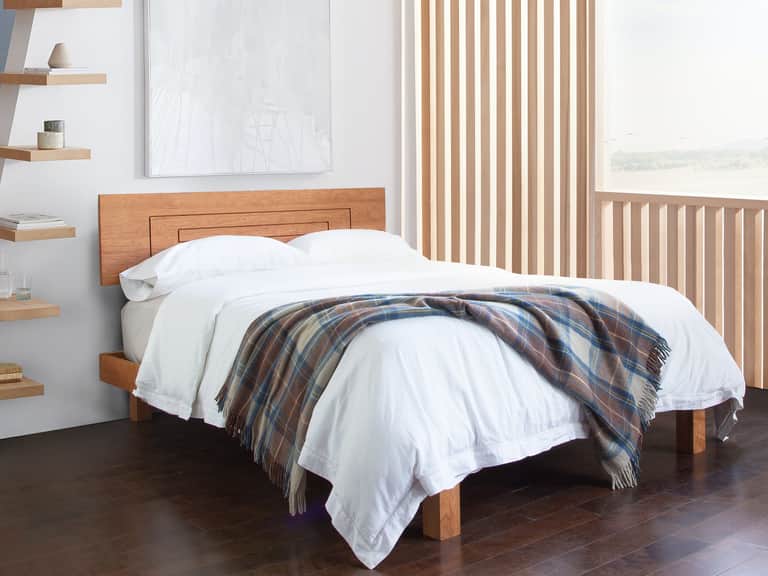
Within this category, loft and multifunctional furniture emphasize efficient space utilization and vertical design. Items like the Loft Double Dresser offer ample storage with a compact footprint, while the Loft Bed maximizes sleeping area without sacrificing floor space. The emphasis is on sturdy frames, smooth drawer slides, and coordinating finishes that integrate with various interior styles, from minimalist to industrial-inspired environments.
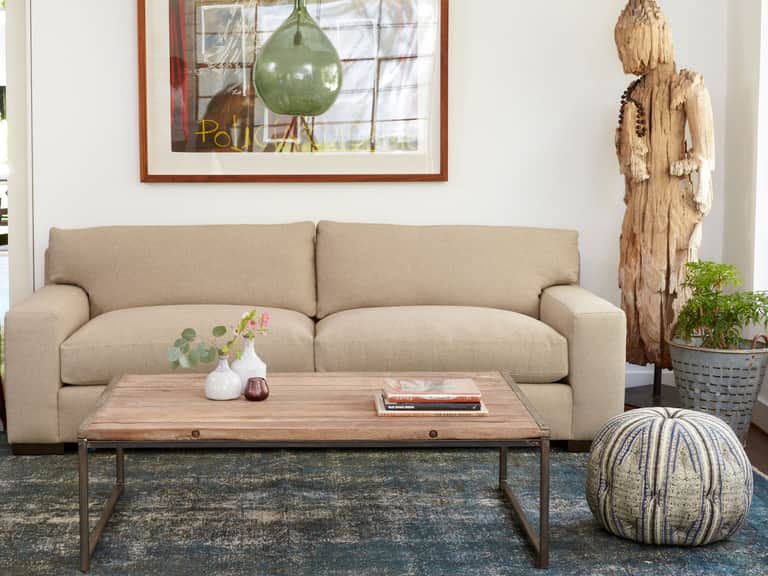
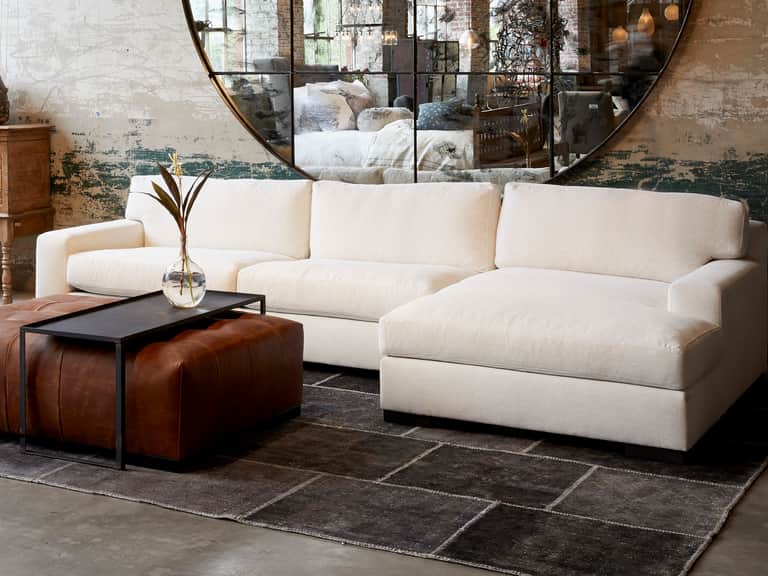
Sectional and sofa configurations, such as the Cisco Home Loft Sectional and Cisco Home Loft Sofa, illustrate how modular seating can adapt to different room layouts. Key features include modular components, durable upholstery, and ergonomic proportions that support everyday lounging, reading, and social gatherings. These pieces balance comfort with practical maintenance and long-term versatility.
When evaluating furniture like a loft-inspired dresser or sofa system, consider configurable elements, storage capability, and ease of assembly. Functional benefits include organized storage for clothing and textiles, flexible seating arrangements, and compatibility with complementary textiles such as blankets, throws, and pillow covers or shams, which enhance overall room cohesion and comfort.
Educational insights for furniture selection highlight material longevity, finish compatibility with room lighting, and the importance of proper sizing. Understanding these aspects helps align pieces with both daily routines and seasonal decor shifts, ensuring a cohesive home environment that supports restful bedrooms, functional living rooms, and durable, visually appealing furnishings.
 Furniture