Bed covers serve as a primary layer for bed aesthetics and comfort, providing insulation, warmth, and a protective barrier for underlying linens. In this category, materials such as cotton, linen, wool, and blends influence breathability, moisture management, and durability. Understanding fabric weight and weave helps match bed covers to seasonal needs and personal preferences for a restful sleep environment.
Key features to consider include thread count, fiber composition, and finish, which impact softness, texture, and longevity. Breathable options like percale or sateen weaves offer different tactile experiences, while weight classifications—lightweight, medium, and heavy—guide suitability for summer, transitional climates, or winter warmth. Proper care instructions also extend the life of bed covers and maintain fabric integrity.
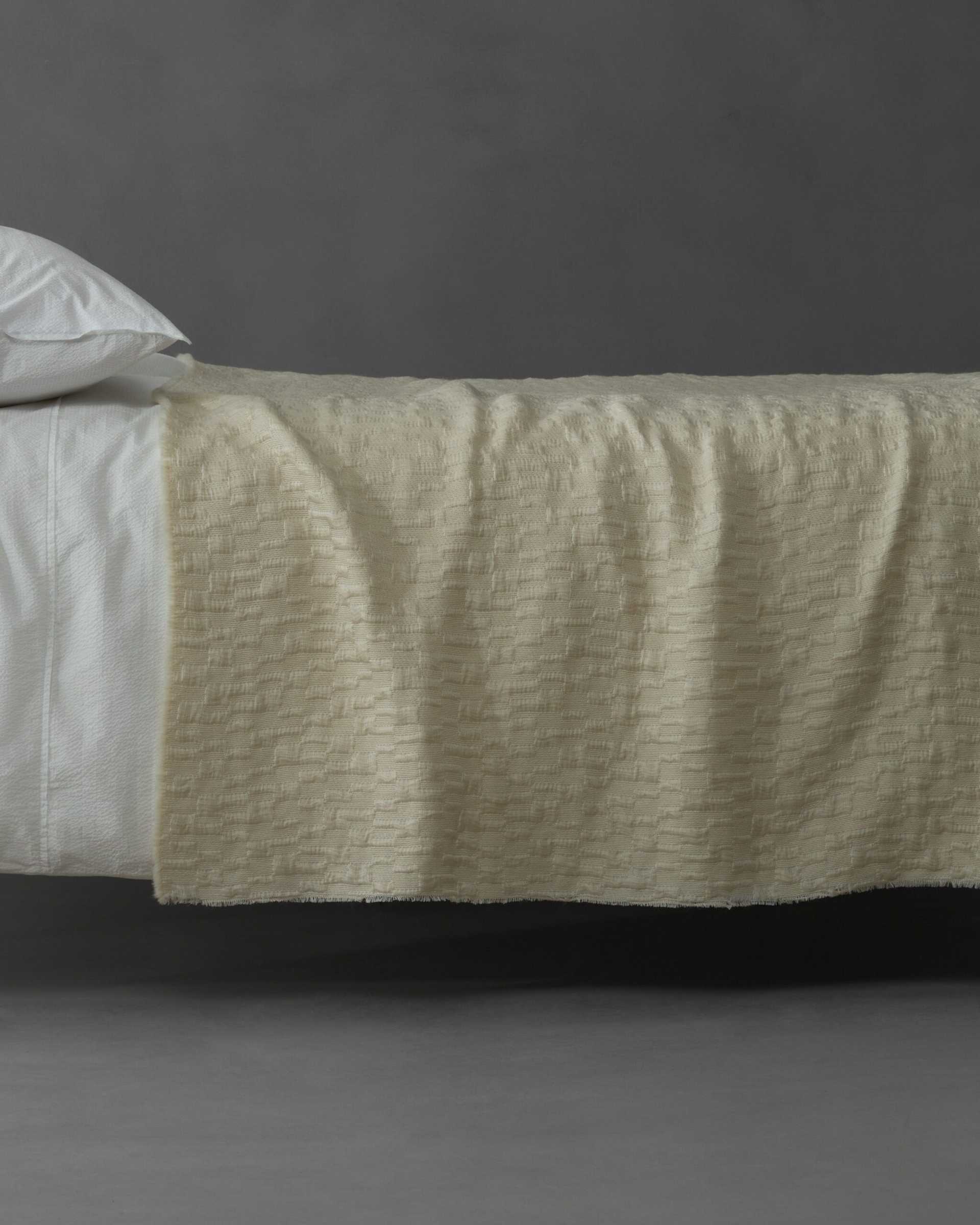
In this category, the Layal Bedcover exemplifies typical benefits of layered bed protection and decorative appeal. Its design emphasizes durable construction, includes secure stitching to resist unraveling, and offers a balanced weight for both warmth and ease of handling. Functional benefits often include ease of washing and compatibility with various pillow arrangements and duvets.
Bed covers contribute to climate regulation in the sleep environment by trapping a comfortable microclimate around the body. Wool and down-inspired constructions retain warmth while remaining breathable, reducing overheat. For those with sensitivities, hypoallergenic fibers or natural finishes can minimize irritation, making bed covers a practical choice for diverse sleeping needs.
Understanding how bed covers coordinate with pillows, comforters, and other bedding elements helps create a cohesive sleep setup. Consider colorfastness, care requirements, and the intended room style when evaluating textiles. This category emphasizes practical knowledge about bedding materials, layering strategies, and how the Layal Bedcover fits into broader comfort and warmth objectives.
 Bedding