Blankets are essential textiles designed to provide warmth, comfort, and insulation across various settings, from bedrooms to living spaces. They come in diverse materials, including cotton, wool, fleece, and synthetic blends, each offering distinct characteristics such as breathability, softness, and moisture management. Understanding fabric composition helps match a blanket to climate needs and personal preferences for sleep quality and relaxation.
In the blanket category, foundational considerations include weight (lightweight, mid-weight, and heavy warmth), weave type, and care requirements. Lightweight options suit layering and seasonal transitions, while heavier blankets offer enhanced heat retention. Care guidelines, such as machine washing and tumble dry compatibility, influence long-term maintenance and fabric longevity.
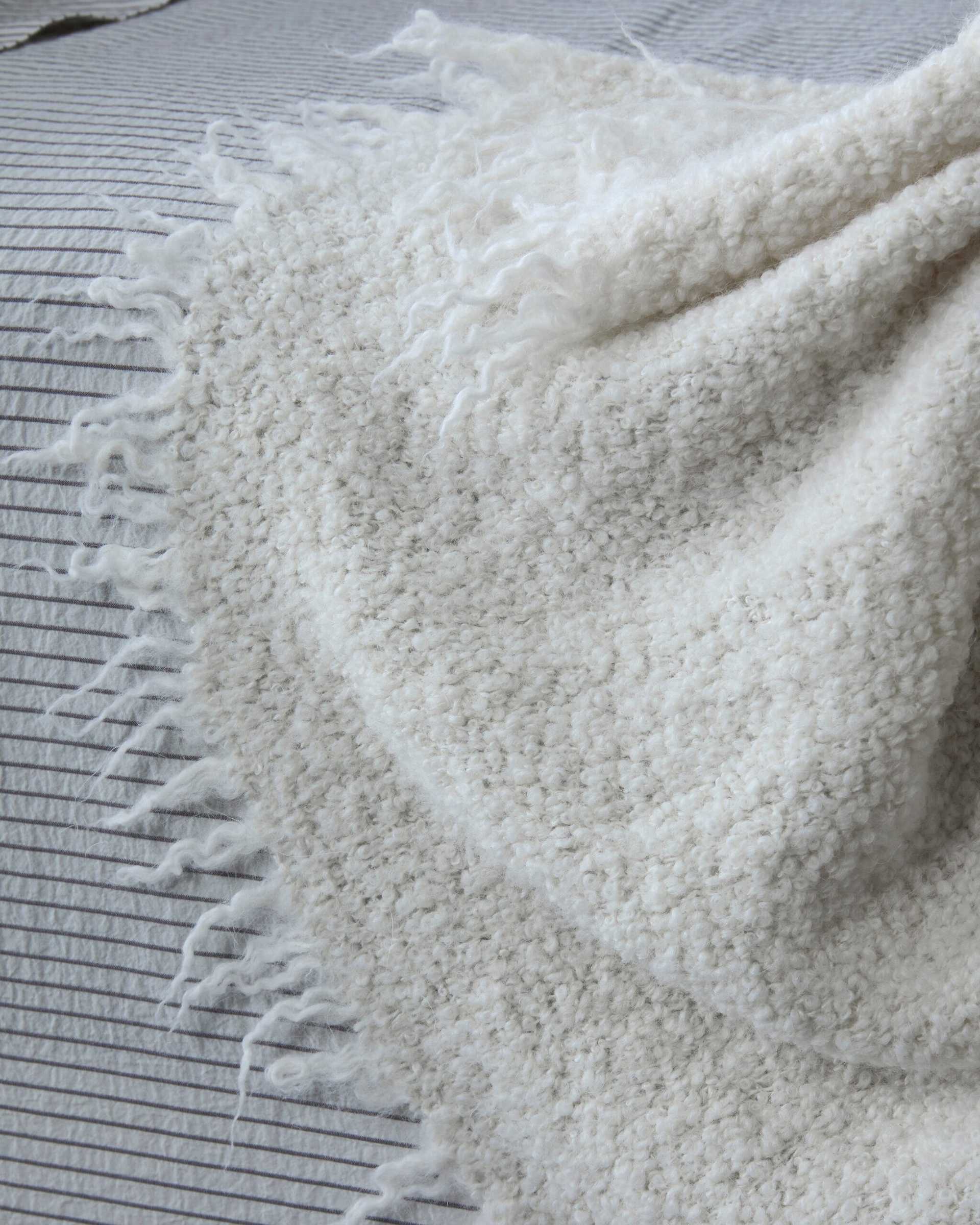
The Tuis Blanket exemplifies key features commonly found in quality blankets, including soft texture, durable construction, and functional benefits like consistent warmth and easy care. Such blankets may incorporate breathable fibers, anti-pilling finishes, and reinforced edges that enhance longevity and everyday usability in bed or lounge areas.
Materials used in blankets impact temperature regulation and comfort. Cotton blankets provide softness and moisture-wicking properties; wool offers natural insulation and temperature balance; fleece and microfiber blends emphasize coziness and quick-drying performance. Selecting the right blend aligns with climate, sleeping preferences, and sensitivity to allergens or textures.
For versatility, blankets often pair with related bedding items such as quilts, throws, and pillow shams, contributing to a cohesive sleep environment. Evaluating features like weave density, fiber origin, and care labels supports informed choices that balance comfort, durability, and practical usage across different rooms and occasions.
 Bedding